.webp)
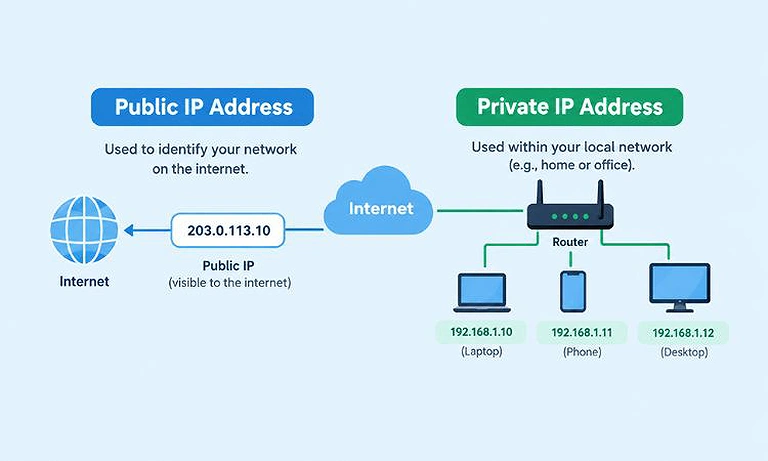
Public vs Private IP Address: Uses and How They Work
If you’re confused about public and private IP addresses, this guide explains their differences, uses, ranges, routing, NAT, and how to find them.
Updated: September 24, 2026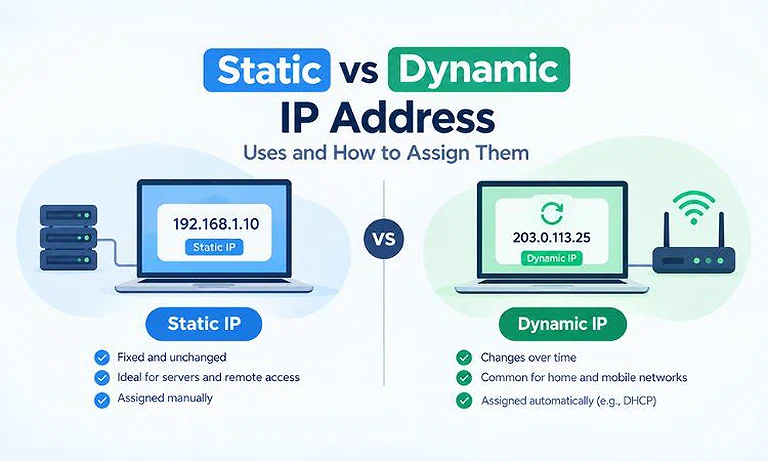
Static vs Dynamic IP Address: Uses and How to Assign Them
What’s the difference between static and dynamic IP addresses, and which should you choose? Get practical setup steps, common uses, advantages, and ways to configure and check IP addresses.
Updated: September 23, 2026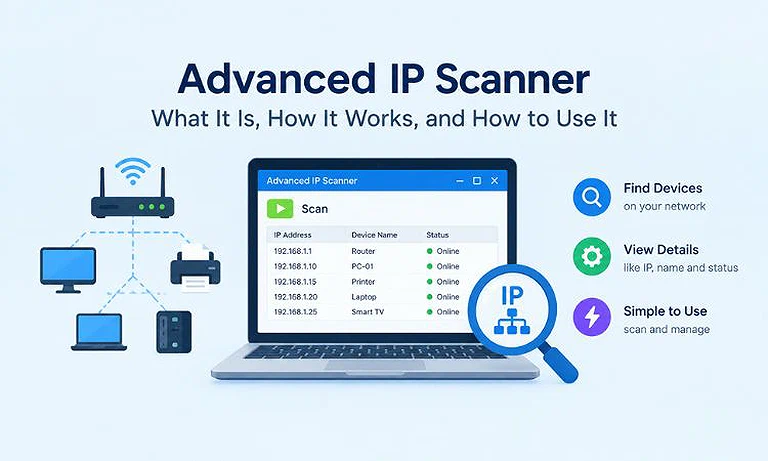
Advanced IP Scanner: How It Works and How to Use It
What can Advanced IP Scanner really find on your network? See how it scans devices, reveals IP addresses, and helps troubleshoot
Updated: September 22, 2026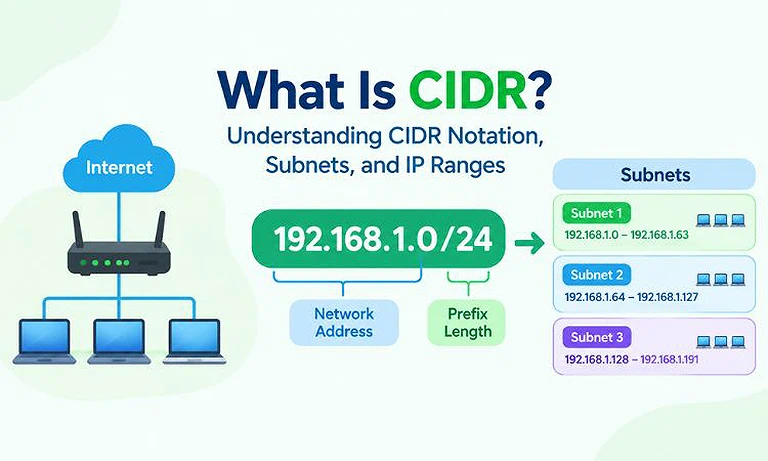
What Is CIDR? Understanding CIDR Notation, Subnets, and IP Ranges
CIDR notation, subnetting, IP ranges, subnet masks, and route aggregation explained with practical IPv4 examples and calculations.
Updated: September 21, 2026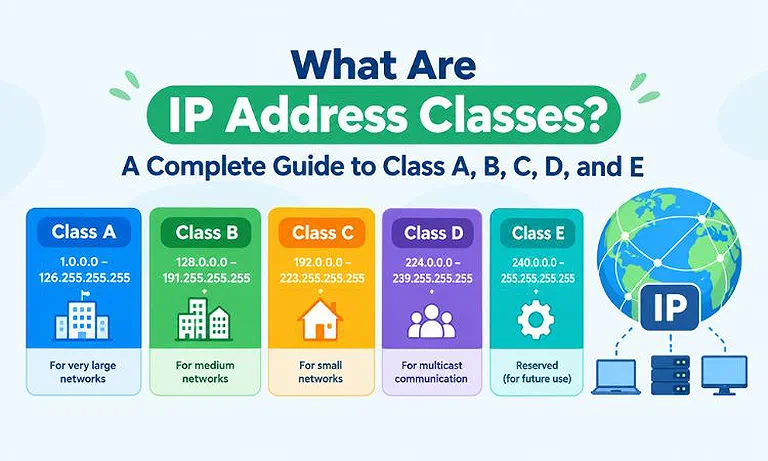
A Complete Guide to IPv4 Class A, B, C, D, and E Addresses
Confused by Class A, B, C, D, and E IP addresses? Learn their ranges, host limits, private blocks, and how classful IPv4 addressing works.
Updated: September 21, 2026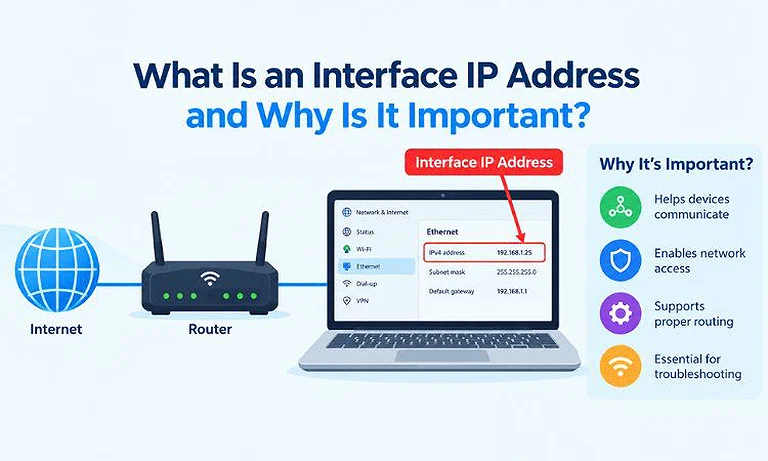
What Is an Interface IP Address and Why Is It Important?
Every device that connects to a network needs a way to communicate with other devices. Computers, phones, routers, servers, and other networked devices may use different connections, including Ethernet, Wi-Fi, VPNs,
Updated: September 24, 2026