.webp)
Discover the Future of Mental Health: AI Tools Guide
In recent years, generative AI has shown transformative potential in enhancing mental health and wellbeing, offering solutions that complement the human connection and intuition of a trained therapist. Research indicates that many people are comfortable sharing worries and sharing concerns with faceless AI bots or anonymous AI bots, though the black-box AI platforms spark ongoing debate about transparency and ethics. In specific use cases, these systems are already guiding, advising, and understanding users, introducing innovative tools that are reshaping the way we approach thinking about mental wellbeing, blending technology with empathy in ways that I’ve personally observed to be both accessible and subtly empowering.

 Updated: April 29, 2026 | 11 min read
 Can artificial intelligence really help improve your mental wellbeing?
Yes. Modern AI-powered mental health tools can provide mindfulness exercises, emotional support, mood tracking, and self-reflection features that help users build healthier daily habits.
How is AI transforming mental health and wellbeing support?
AI is making mental wellness resources more accessible by providing personalized guidance, self-help exercises, and emotional support anytime users need them.
What can AI mental health apps actually do for you?
Depending on the platform, they can help with meditation, sleep improvement, mood tracking, journaling, stress management, and emotional self-awareness.
| Best For | Pricing | Ease | |
| Headspace | Meditation & mindfulness support | Free + Paid | Beginner |
| Youper | AI emotional health assistant | Free + Paid | Beginner |
| Mindsera | Journaling & mental clarity | Paid | Beginner |
| Wysa | AI therapy chatbot support | Free + Paid | Beginner |
| Woebot | Mental health conversation support | Free + Paid | Beginner |
| Calm | Sleep, meditation & relaxation | Free + Paid | Beginner |
| Flourish | Wellbeing & personal growth tracking | Paid | Beginner |
| Ash by SlingshotAI | AI mental wellness companion | Paid | Beginner |

Cover Photo: AI Tools to Discover the Future of Mental Health
1. Headspace
Headspace is a leading mindfulness and meditation platform designed to help users manage stress, improve focus, sleep better, and build healthier mental wellness habits through guided sessions and mindfulness exercises. [R1]
What Makes Headspace Special ?
Headspace combines science-backed mindfulness practices with beginner-friendly guidance.
- Guided meditation programs for various goals
- Sleepcasts and sleep-focused content
- Breathing and stress-relief exercises
- Mindfulness courses for beginners
- Available across mobile and wearable devices
How to Use Headspace?
Getting started is simple and suitable for first-time meditators.
- Create an account
- Select a wellness goal
- Complete introductory meditation courses
- Follow daily mindfulness sessions
- Track progress and consistency
Pros
- Beginner-friendly interface
- Extensive meditation library
- Strong sleep support features
- Evidence-informed approach
- Cross-platform availability
Cons
- Many features require subscription
- Less personalized than therapy
- Advanced users may outgrow content
- Some features vary by region
- Internet connection required for most content
My & Users Experience
From me and other users frequently praise Headspace for making meditation approachable and easy to maintain. Many beginners report improvements in stress management, focus, and sleep quality after consistent use. [R1]
Who Should Use Headspace?
Ideal for beginners seeking structured meditation, stress reduction, improved sleep, and mindfulness practice.
Things to Consider
- Not a substitute for therapy
- Premium plan unlocks most content
- Benefits require consistent practice
- Sleep content may be the biggest value
- Check regional feature availability
Cost & Plans
- Free trial available
- Monthly Premium subscription
- Annual Premium subscription
- Family plans available
Alternative Choice
Calm, Wysa, Insight Timer
2. Youper
Youper is an AI-powered emotional health assistant that uses evidence-based psychological techniques to help users manage stress, anxiety, mood, and emotional wellbeing through guided conversations. [R1]
What Makes Youper Special
Youper focuses on emotional self-awareness through AI-guided conversations.
- AI-powered emotional support
- Mood tracking tools
- CBT-inspired exercises
- Personalized emotional insights
- Designed with safety-focused principles
How to Use Youper?
The app guides users through daily emotional check-ins.
- Download and create an account
- Complete emotional assessment
- Chat with the AI assistant
- Track mood changes regularly
- Follow recommended exercises
Pros
- Easy-to-use interface
- Helpful mood tracking
- Personalized conversations
- Available anytime
- Supports emotional reflection
Cons
- Not a licensed therapist
- Premium features require payment
- Limited crisis support
- Responses may feel repetitive
- Requires user engagement
Our & Users Experience
Many users appreciate the app's conversational style and emotional check-ins. It can encourage reflection and healthier coping habits when used consistently.
Who Should Use Youper?
Suitable for individuals wanting daily emotional support, mood tracking, and self-reflection tools.
Things to Consider
- Not for emergencies
- Requires honest self-reporting
- Subscription needed for advanced features
- AI responses have limitations
- Works best alongside healthy routines
Cost & Plans
- Free version available
- Premium subscription plans
Alternative Choice
Wysa, Woebot, Headspace
3. Mindsera
Mindsera Official source image
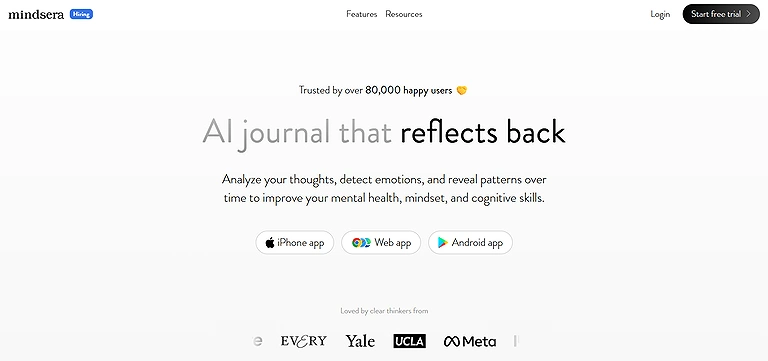
Mindsera is an AI-assisted journaling platform designed to improve self-reflection, mental clarity, productivity, and personal growth through guided writing and AI-generated insights. [R1]
What Makes Mindsera Special
Mindsera transforms journaling into an interactive self-improvement experience.
- AI-powered journal analysis
- Reflection and mindset coaching
- Emotional pattern recognition
- Writing prompts and frameworks
- Productivity-focused insights
How to Use Mindsera?
Users write journals and receive AI-generated reflections.
- Create an account
- Start a journal entry
- Use guided prompts if needed
- Review AI insights
- Track emotional and personal growth
Pros
- Encourages self-reflection
- Detailed AI feedback
- Supports habit building
- Flexible journaling options
- Productivity-focused features
Cons
- Primarily a journaling tool
- Subscription required for full access
- Privacy considerations with AI processing
- Not clinical therapy
- Insight quality varies
Our & Users Experience
Users often find the AI feedback motivating and helpful for deeper reflection. Many report increased journaling consistency and self-awareness. (The Guardian)
Who Should Use Mindsera?
Best for writers, professionals, and self-improvement enthusiasts seeking structured reflection.
Things to Consider
- Review privacy policies carefully
- AI analysis is not diagnosis
- Requires consistent journaling
- Subscription costs may add up
- Best for self-development goals
Cost & Plans
- Free trial options
- Premium monthly subscription
- Premium annual subscription
Alternative Choice
Rosebud, Day One, Journey
4. Wysa
Wysa is an AI-powered mental wellbeing platform offering anonymous emotional support, CBT-based exercises, mindfulness tools, and optional access to human coaches
What Makes Wysa Special
Wysa combines AI support with evidence-based mental health techniques.
- Anonymous emotional support
- CBT and DBT-based exercises
- Mood and stress management tools
- Optional human coaching
- Research-backed approach
How to Use Wysa?
Users interact with an AI chatbot and wellness tools.
- Download the app
- Start a conversation
- Select a mental health goal
- Complete exercises
- Use coaching services if needed
Pros
- Anonymous usage
- Available 24/7
- Evidence-based techniques
- Large self-help library
- Optional professional support
Cons
- Not emergency care
- Premium coaching costs extra
- Limited emotional nuance
- Some features locked behind subscriptions
- Not a replacement for therapy
Our & Users Experience
Many users report that Wysa helps them manage anxiety, stress, and negative thinking patterns through guided exercises and regular engagement.
Who Should Use Wysa?
Suitable for individuals seeking accessible, anonymous emotional wellbeing support and coping tools.
Things to Consider
- Not intended for crisis situations
- Human support costs extra
- AI has conversational limitations
- Requires ongoing participation
- Clinical care may still be necessary
Cost & Plans
- Free version available
- Premium subscription
- Optional coaching packages
Alternative Choice
Youper, Woebot, Headspace
5. Calm
Calm is one of the world's most popular mindfulness and relaxation apps. It helps users reduce stress, improve sleep quality, practice meditation, and build healthier mental wellness habits through guided sessions, breathing exercises, sleep stories, and relaxing audio content. [R1]
What Makes Calm Special
Calm combines meditation, sleep support, and relaxation tools in one platform.
- Guided meditation sessions for all experience levels
- Famous Sleep Stories narrated by celebrities
- Daily Calm mindfulness sessions
- Breathing exercises and soundscapes
- Relaxation music and sleep-focused content [R2]
How to Use Calm?
Getting started requires only a few minutes each day.
- Download and create an account
- Select your wellness goal
- Complete beginner meditation sessions
- Listen to Sleep Stories before bedtime
- Build a daily mindfulness routine
Pros
- Excellent beginner experience
- Large content library
- Strong sleep support features
- Available on multiple devices
- High-quality audio content
Cons
- Most premium content requires subscription
- Not a replacement for therapy
- Can become expensive long-term
- Some specialized content is paywalled
- Internet connection needed for many features
Our & Users Experience
Users frequently praise Calm's sleep stories, meditation sessions, and relaxing soundscapes. Many report improved sleep quality and reduced stress after maintaining a consistent mindfulness routine.
Who Should Use Calm?
Ideal for beginners seeking stress reduction, better sleep, mindfulness training, and daily relaxation support.
Things to Consider
- Consistency improves results
- Premium subscription unlocks most content
- Not designed for crisis intervention
- Sleep content is a major strength
- Consider long-term subscription costs
Cost & Plans
- Free version available
- Monthly Premium Plan
- Annual Premium Plan
- Lifetime Membership option
Alternative Choice
Headspace, Insight Timer, Wysa
6. Woebot
Woebot is an AI-powered mental health support platform designed to provide conversational emotional support using evidence-informed psychological techniques. It offers on-demand support between healthcare visits and outside traditional therapy hours. [R1]

Woebot verified source image
What Makes Woebot Special
Woebot focuses on structured, chat-based emotional wellbeing support.
- Available 24/7 through conversation
- Uses evidence-informed mental health techniques
- Designed for in-the-moment support
- Specialized programs for different populations
- One of the most researched AI mental health tools
How to Use Woebot?
Access generally requires an approved healthcare or employer partner.
- Obtain an access code
- Create an account
- Start AI-guided conversations
- Complete suggested exercises
- Track emotional wellbeing over time
Pros
- Available anytime
- Evidence-informed framework
- Conversational and engaging
- Supports self-reflection
- Strong research background
Cons
- Not available directly to all consumers
- Cannot replace professional therapy
- Limited crisis support
- Requires partner access
- AI conversations may feel repetitive
Our & Users Experience
Users often appreciate Woebot's accessibility and structured conversations. However, some report that AI responses can lack the emotional depth and nuance offered by human therapists. [R2]
Who Should Use Woebot?
Suitable for individuals seeking supplementary emotional support between therapy sessions or healthcare visits.
Things to Consider
- Check availability in your region
- May require employer or provider access
- Not intended for emergencies
- AI has conversational limitations
- Human care may still be necessary
Cost & Plans
- Often provided through healthcare partners
- Employer-sponsored access
- Healthcare organization access
- Pricing varies by partner arrangement
Alternative Choice
Wysa, Youper, Headspace
7. Flourish
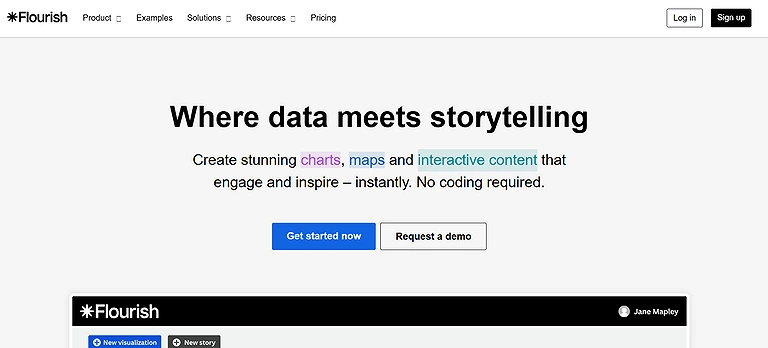
Flourish is an AI-powered wellbeing platform focused on personal growth, emotional awareness, habit development, and self-reflection. It aims to help users build healthier routines and gain deeper insight into their wellbeing patterns. [R1]
Flourish Official Source Image
What Makes Flourish Special
Flourish emphasizes interactive wellbeing guidance and personalized recommendations.
- AI-driven wellbeing insights
- Personalized reflective prompts
- Habit-building support
- Emotional awareness tracking
- Adaptive recommendations based on user input
How to Use Flourish?
The platform encourages regular reflection and wellness tracking.
- Create a personal profile
- Complete wellbeing check-ins
- Respond to guided questions
- Review personalized suggestions
- Track progress over time
Pros
- Interactive user experience
- Encourages self-reflection
- Personalized recommendations
- Supports habit formation
- User-friendly design
Cons
- Limited independent clinical research
- Subscription-based service
- Not designed for mental health diagnosis
- Requires regular engagement
- Features may evolve frequently
Our & Users Experience
Users often describe Flourish as more interactive than traditional wellness trackers. Many appreciate receiving personalized suggestions instead of simply logging information.
Who Should Use Flourish?
Best for individuals interested in personal development, self-awareness, and building sustainable wellbeing habits.
Things to Consider
- Review privacy practices
- AI guidance is not medical advice
- Requires consistent participation
- Not a replacement for therapy
- Check current feature availability
Cost & Plans
- Paid subscription
- Monthly plan
- Annual plan
- Trial availability may vary
Alternative Choice
Mindsera, Journey, Day One
8. Ash by Slingshot AI
Ash is an AI-powered mental wellness companion developed by Slingshot AI. It focuses on providing conversational emotional support through voice and text interactions, helping users reflect on thoughts, feelings, relationships, and daily challenges. [R1]
What Makes Ash Special
Ash emphasizes natural conversations and voice-based emotional support.
- AI mental wellness companion
- Voice-first interaction experience
- Ongoing emotional reflection
- Personalized conversations
- Focus on daily wellbeing support
How to Use Ash?
Users interact with the AI companion through conversations.
- Create an account
- Begin a voice or text session
- Discuss current concerns
- Review insights and reflections
- Continue regular wellness check-ins
Pros
- Natural conversational experience
- Voice interaction support
- Available anytime
- Encourages emotional reflection
- Personalized engagement
Cons
- Limited published clinical validation
- Subscription-based service
- Not intended for crisis situations
- Cannot replace licensed therapists
- AI understanding has limitations
Our & Users Experience
Early users often praise Ash's conversational flow and voice interactions. Many find it more natural than traditional chatbot experiences for everyday emotional reflection.
Who Should Use Ash?
Suitable for users wanting a conversational AI companion for self-reflection and everyday emotional support.
Things to Consider
- Review privacy and data policies
- Not a substitute for professional care
- Voice features may vary by platform
- Clinical evidence remains limited
- Best used as a supplementary tool
Cost & Plans
- Paid subscription model
- Monthly plan
- Annual plan
- Trial availability may vary
Alternative Choice
Youper, Wysa, Woebot
FAQs
1. What is the best AI mental health app for beginners?
Headspace, Calm, and Wysa are excellent choices for beginners because they offer guided experiences, simple interfaces, and structured mental wellness programs.
2. Can AI mental health apps replace a therapist?
No. AI mental health apps are designed to complement mental wellness practices and should not replace licensed therapists, psychologists, or psychiatrists.
3. Are AI mental health apps safe to use?
Most established platforms implement security and privacy protections. However, users should always review privacy policies before sharing personal information.
4. Which AI mental health tool is best for anxiety management?
Wysa and Youper are commonly used for anxiety management because they provide CBT-inspired exercises, mood tracking, and guided emotional support.
5. What is the best AI app for meditation and relaxation?
Headspace and Calm are among the most popular apps for meditation, mindfulness, stress reduction, and sleep improvement.
6. Which AI tool is best for journaling and self-reflection?
Mindsera is specifically designed for AI-assisted journaling, self-reflection, and personal growth through guided writing and AI-generated insights.
7. Do AI mental health apps offer human coaching?
Some platforms, such as Wysa, offer optional access to human coaches or mental health professionals alongside AI support features.
8. Are these mental health tools free to use?
Most tools offer free versions or free trials, but premium features, advanced content, and coaching services usually require a paid subscription.
9. Which AI mental health app provides the most personalized conversations?
Youper, Ash by SlingshotAI, and Woebot focus heavily on conversational AI experiences and personalized emotional support interactions.
10. Who should use AI mental health apps?
These apps are ideal for individuals seeking stress management, mindfulness practice, emotional support, self-reflection, habit building, or wellness tracking as part of their daily routine.
Conclusion
AI tools for mental health are reshaping the way we think about emotional wellbeing, offering a blend of personalized guidance, reflective exercises, and supportive conversations that complement traditional therapy. While they cannot fully replace the human connection and expertise of trained therapists, platforms like Headspace, Wysa, Mindsera, Woebot, Calm, Flourish, and Ash by SlingshotAI provide accessible, scientifically informed, and innovative solutions to help individuals manage stress, anxiety, depression, and overall mental wellness in a flexible and engaging way. If you're interested in exploring how artificial intelligence is also transforming mental health education and academic learning, don't miss our guide to 15 AI Tools That Make Psychology Students Smarter & Faster, where we cover specialized tools designed to enhance research, study efficiency, and psychological understanding.