.webp)
AI Tools Powering Patient Engagement & Management
Healthcare is rapidly evolving as AI transforms communication between patients and doctors across clinics and hospitals. Modern AI tools improve patient engagement by enabling faster responses, smarter workflows, reduced administrative burden, and more empathetic interactions, helping healthcare providers deliver accurate care while strengthening the human connection patients’ value.
Stronger patient communication independent of language barriers, helps doctors stay connected with informed patients through seamless access to prescriptions and test results. Hybrid AI chatbots with human oversight reduce bottlenecks and improve care delivery. A 2026 study reported nearly 25% fewer hospital readmissions, highlighting AI’s growing impact on healthcare efficiency and patient outcomes.

 Updated: May 15, 2026 | 13 min read
 | Tool Name | Use for | Price | Level of Ease |
| Amwell | Telehealth consultations | Paid | Easy |
| Well Health | Patient engagement & communication | Paid | Easy |
| HealthOrbit AI | AI-driven patient management | Unknown | Moderate |
| Lumistry | Healthcare workflow automation | Paid | Easy |
| Ada Health | Symptom checking & health guidance | Free/Paid | Very Easy |
| Freed AI | AI medical documentation | Paid | Easy |
| Notable | Clinical workflow automation | Paid | Moderate |
| Hyro AI | AI patient communication & chatbots | Paid | Easy |
| Augmedix | AI medical scribing | Paid | Easy |
| Nabla | Clinical AI assistant & documentation | Paid | Easy |
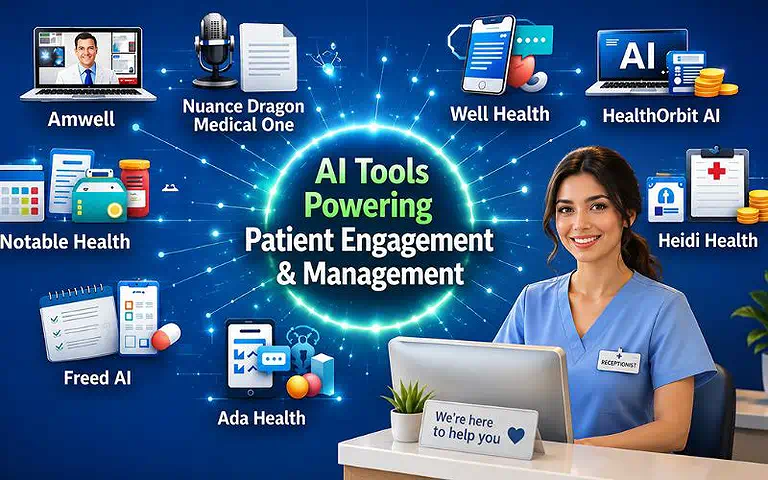
Cover Photo AI Tools Powering Patient Engagement & Management
Why AI Tools for Patient Communication Matter in 2026?
AI is transforming healthcare communication by improving patient engagement, documentation, and billing efficiency. Tools like HealthOrbit AI reduce missed appointments, simplify SOAP notes, and integrate AI coding systems into workflows. Noteably patients get faster, clearer responses, by using time saving AI tools through streamlined, efficient healthcare management.
1 Amwell
Amwell is a telehealth platform that improves patient engagement through video consultations, secure messaging, and remote healthcare services. It helps healthcare providers manage routine checkups and complex care workflows efficiently while supporting scalable virtual care systems for hospitals, clinics, and medical organizations.
Key Features
- Secure video consultations and virtual care visits
- Integrated messaging and patient communication tools
- Scalable telehealth infrastructure for healthcare organizations
- Supports remote monitoring and follow-up care workflows
How to use Amwell?
- Create a provider or patient account on the platform
- Schedule or join virtual healthcare appointments
- Use messaging and video tools for consultations and follow-ups
- Manage patient records and care workflows digitally
Pros
- Improves patient engagement and remote accessibility
- Supports scalable healthcare operations and workflows
- Secure communication for virtual consultations
- Suitable for both routine and complex care management
Cons
- Strong competition in the telehealth industry
- Advanced integrations may require technical setup
- Dependence on stable internet connectivity
- Enterprise solutions may involve higher operational costs
Best Use Case
Ideal for hospitals and clinics managing remote consultations, patient engagement, and scalable telehealth care services.
- Limitations
- Requires digital adoption from both providers and patients
- Workflow customization may take implementation time
- Some advanced enterprise features may need paid integration support
Pricing Plan
Limited trial access available, while enterprise telehealth solutions and advanced integrations require customized paid subscriptions.
Alternatives
Teladoc Health, Doxy.me, MDLIVE, Zoom for Healthcare
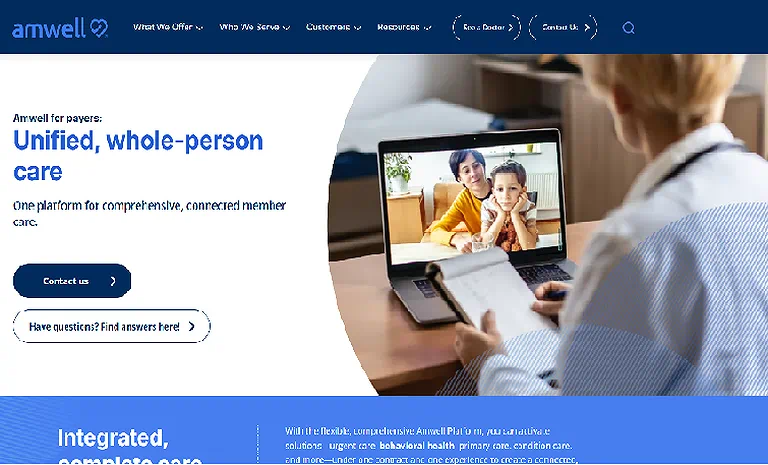
Amwell Official home page
2 Well Health
Well Health is a healthcare communication platform that improves patient-provider engagement through unified messaging across SMS, email, and in-app chat. It helps medical teams manage outreach, reminders, and follow-ups efficiently, ensuring better coordination and stronger patient relationships in modern digital care environments.
Key Features
- Unified messaging across SMS, email, and chat
- Automated appointment reminders and care notifications
- Patient engagement and follow-up communication tools
- Scalable communication system for healthcare networks
How to use Well Health?
- Create an account and set up your healthcare organization profile
- Integrate patient data and communication channels
- Send automated messages, reminders, and care updates
- Monitor patient responses and manage communication workflows
Pros
- Improves patient engagement and communication efficiency
- Reduces missed appointments through automated reminders
- Centralizes multi-channel messaging in one platform
- Suitable for large healthcare networks and clinics
Cons
- Can be complex for small practices to implement
- Requires proper workflow setup for best performance
- Dependence on staff training and system adoption
- Advanced features may increase operational costs
Best Use Case
Ideal for healthcare organizations managing patient communication, appointment reminders, and large-scale care coordination systems.
Limitations
- Setup may be challenging without technical support
- Requires integration with existing healthcare systems
- Smaller clinics may find full adoption difficult
Pricing Plan
Free demo or trial access available, while full enterprise communication features require paid subscription based on usage scale.
Alternatives
Relatient, Luma Health, Solutionreach, Klara
3 HealthOrbit AI
HealthOrbit AI is a healthcare-focused AI assistant designed to improve clinical documentation and patient interaction by converting real-time conversations into structured SOAP notes. It integrates with EHR systems to streamline workflows, enhance accuracy, and support efficient, billing-ready medical documentation in modern digital care environments.
Key Features
- Real-time AI transcription of patient consultations
- Automatic generation of structured SOAP notes
- Seamless integration with EHR systems
- HIPAA-compliant secure healthcare documentation
How to use HealthOrbit AI?
- Sign up and connect the platform with your clinic’s EHR system
- Enable audio capture during patient consultations
- Let AI convert conversations into structured clinical notes
- Review and finalize documentation for medical records or billing
Pros
- Reduces manual clinical documentation workload
- Improves accuracy of patient records and notes
- Enhances doctor-patient interaction by reducing screen time
- Streamlines billing-ready medical documentation
Cons
- Requires integration with existing healthcare systems
- Performance depends on audio quality and setup
- May need training for staff adoption
- Subscription cost may be high for smaller clinics
Best Use Case
Ideal for clinics and hospitals streamlining patient documentation, improving clinical efficiency, and enabling real-time AI-assisted medical note-taking.
Limitations
- Depends on stable EHR and system integration
- Not fully effective without proper hardware setup
- Smaller practices may face cost and onboarding challenges
Pricing Plan
Free demo or trial access may be available, while full AI documentation and EHR integration features require paid enterprise subscription.
Alternatives
Nuance Dragon Medical One, Augmedix
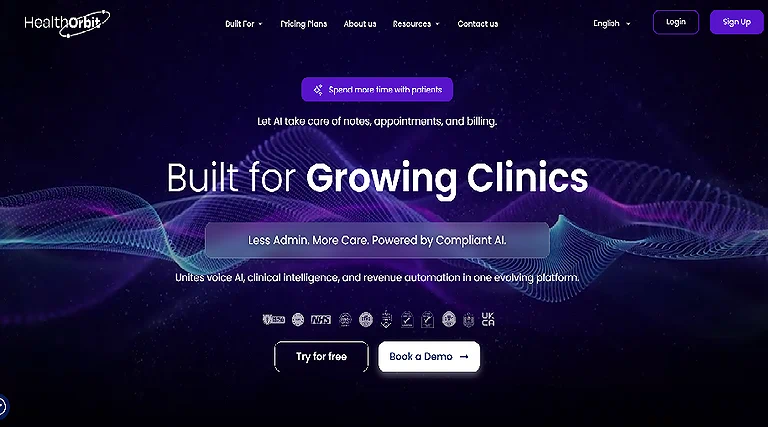
HealthOrbit AI source image
4 Lumistry
Lumistry is an AI-powered Voice Assistant designed for pharmacies to streamline call handling and customer support. It delivers fast, human-like responses using existing pharmacy phone workflows, improving efficiency, reducing wait times, and enhancing patient communication in busy healthcare environments.
Key Features
AI-powered voice assistant for pharmacy calls
Human-like conversational support for patients
Integration with existing pharmacy phone systems
Automates routine inquiries and call handling
How to use Lumistry?
Integrate Lumistry with your pharmacy phone system
Configure common queries and response workflows
Let AI handle incoming patient calls automatically
Monitor and refine responses for accuracy and efficiency
Pros
Reduces call waiting time for patients
Improves pharmacy workflow efficiency
Handles high call volumes effectively
Provides consistent and fast customer support
Cons
Requires integration with existing phone infrastructure
May struggle with complex or unusual queries
Needs monitoring for accuracy in responses
Setup may require technical support
Best Use Case
Ideal for pharmacies managing high call volumes, improving patient support, and automating routine prescription-related inquiries.
Limitations
Limited effectiveness for highly complex medical questions
Depends on system integration quality
Requires ongoing tuning for best performance
Pricing Plan
Free demo or trial access may be available, while full AI voice automation features require paid subscription based on pharmacy size and usage.
Alternatives
Nabla, DeepScribe, Augmedix
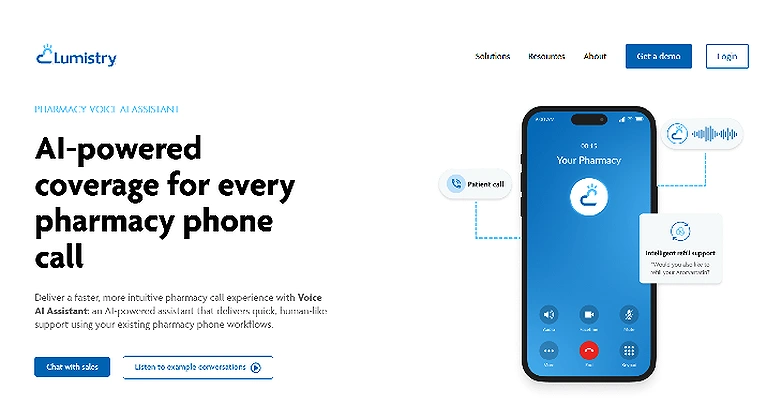
Lumistry Call Asstt Home page
5 Ada Health
Ada Health is an AI-powered symptom assessment and digital health platform that helps users understand their health conditions before visiting a doctor. It provides guided, conversational symptom checking and supports early health awareness, making it useful for patient education and preliminary medical guidance. It is also increasingly being integrated alongside specialized ai tools for mental health to provide a more holistic view of a patient's physical and emotional well-being.
Key Features
- AI-driven symptom checker for health assessment
- Personalized health guidance and condition insights
- Multilingual support for global accessibility
- User-friendly patient engagement interface
How to use Ada Health?
- Download the Ada Health app or access the platform online
- Enter symptoms through guided AI questions
- Review possible conditions and recommended next steps
- Follow guidance to decide whether medical care is needed
Pros
- Easy-to-use and patient-friendly interface
- Helps users understand symptoms quickly
- Reduces unnecessary doctor visits
- Supports multiple languages for wider accessibility
Cons
- Not a replacement for professional medical diagnosis
- Limited use for clinical documentation or hospitals
- May provide broad or non-specific results
- Depends on user input accuracy
Best Use Case
Ideal for patients seeking early symptom assessment, health education, and guidance on whether to consult a healthcare professional.
Limitations
- Cannot provide formal medical diagnoses
- Not designed for hospital or clinical documentation use
- Accuracy depends heavily on user-provided symptoms
Pricing Plan
Free access for basic symptom checking, while premium features and advanced health insights may require paid subscription.
Alternatives
Buoy Health, Symptomate, Babylon Health, K Health
6 Freed AI
Freed AI is an AI-powered clinical documentation tool designed to assist doctors by converting patient conversations into structured medical notes. It integrates with EHR systems and helps reduce administrative workload, allowing healthcare providers to focus more on patient care while maintaining accurate and compliant documentation.
Key Features
- AI-powered real-time clinical note generation
- Automatic structuring of SOAP notes from consultations
- Seamless integration with EHR systems
- Supports medical documentation and compliance workflows
How to use Freed AI?
- Sign up and connect Freed AI with your EHR system
- Enable audio capture during patient consultations
- Let AI generate structured clinical notes automatically
- Review and finalize notes before saving to patient records
Pros
- Reduces time spent on manual documentation
- Improves accuracy of clinical notes
- Enhances patient interaction by minimizing screen time
- Easy setup and user-friendly interface
Cons
- Requires stable internet connection
- May need staff training for optimal use
- Subscription cost may be high for small clinics
- Performance depends on audio quality
Best Use Case
Ideal for clinicians and healthcare providers automating medical documentation, improving efficiency, and reducing administrative workload during patient visits.
Limitations
- Not fully effective without EHR integration
- Requires reliable internet and audio setup
- May need customization for different medical specialties
Pricing Plan
Free trial or demo access available, while full clinical documentation and EHR integration features require paid subscription based on usage.
Alternatives
DeepScribe, Nuance Dragon Medical One, Augmedix
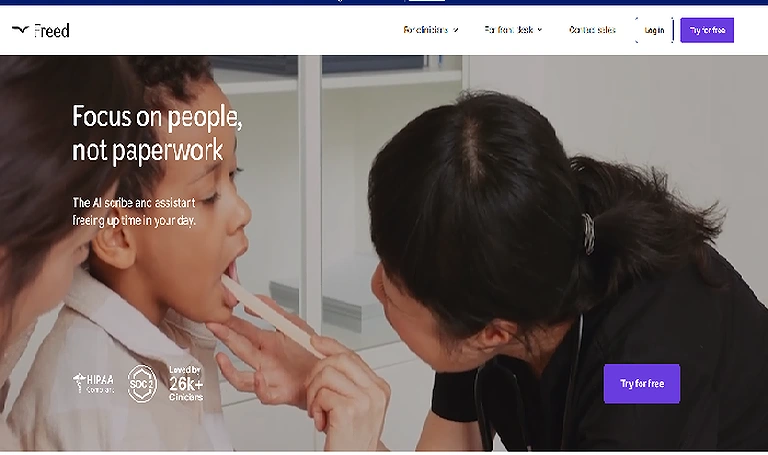
Freed AI Home page
7 Notable Health
Notable Health is an AI-powered healthcare automation platform that streamlines administrative workflows such as patient intake, scheduling, follow-ups, and communication. It helps healthcare teams reduce manual tasks, improve coordination, and enhance overall efficiency in patient care delivery.
Key Features
- Automated patient intake and scheduling workflows
- AI-driven patient communication and follow-up management
- Workflow automation for administrative healthcare tasks
- Integration with clinical systems and care coordination tools
How to use Notable Health?
- Set up an account and configure your healthcare workflows
- Integrate the platform with scheduling and patient systems
- Automate intake forms, reminders, and follow-up processes
- Monitor and optimize workflow performance through dashboard insights
Pros
- Reduces administrative workload for healthcare staff
- Improves patient communication and scheduling efficiency
- Automates repetitive clinical and non-clinical tasks
- Enhances overall workflow coordination in clinics
Cons
- Requires proper setup and workflow configuration
- May need training for full staff adoption
- Integration complexity with existing systems
- Best results depend on structured implementation
Best Use Case
Ideal for healthcare organizations automating patient intake, scheduling, follow-ups, and improving operational efficiency across care workflows.
Limitations
- Not fully effective without proper workflow setup
- Requires integration with existing healthcare infrastructure
- Performance depends on process standardization within clinics
Pricing Plan
Free demo or trial access may be available, while full automation and enterprise workflow solutions require paid subscription based on organization size.
Alternatives
Olive AI, Hyro AI, LeanTaaS, Commure
8 Hyro AI
Hyro AI is an AI-powered conversational automation platform designed to reduce repetitive healthcare communication tasks. It helps hospitals and clinics manage patient calls, messages, and service requests using intelligent virtual agents, improving efficiency and lowering operational workload.
Key Features
- AI-powered virtual agents for patient communication
- Automation of repetitive calls and messaging tasks
- Supports healthcare service access and patient support
- Scalable conversational AI for large healthcare systems
How to use Hyro AI?
- Integrate Hyro AI with hospital communication systems
- Configure AI agents for common patient queries and tasks
- Deploy virtual assistants across phone, web, or messaging channels
- Monitor interactions and optimize workflows using analytics
Pros
- Reduces workload on healthcare staff
- Improves patient access to services and information
- Handles high volumes of repetitive queries efficiently
- Helps reduce operational costs
Cons
- Requires system integration and setup time
- May need customization for different healthcare workflows
- Performance depends on training and configuration quality
- Enterprise-focused, not ideal for small clinics
Best Use Case
Ideal for hospitals and healthcare systems automating patient communication, reducing call center workload, and improving service accessibility.
Limitations
- Requires proper integration with existing systems
- Not fully effective without workflow customization
- Primarily designed for large-scale healthcare organizations
Pricing Plan
Free demo or trial access may be available, while full enterprise conversational AI solutions require paid subscription based on usage and system size.
Alternatives
Notable Health, Commure, Qventus
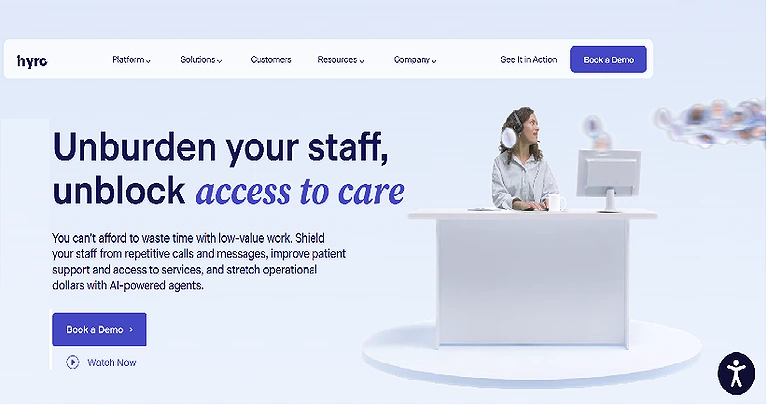
Hyro AI Home page
9 Augmedix
Augmedix is an AI-powered medical documentation platform designed to reduce administrative workload for clinicians by automatically generating clinical notes from patient conversations. By minimizing time spent on manual documentation and improving workflow efficiency, it serves as a prime example of the specialized AI tools for nursing students and healthcare professionals that help prioritize direct patient care.
Key Features
- AI-assisted clinical note generation in real time
- Converts patient conversations into structured medical documentation
- Integrates with EHR systems for seamless workflow
- Supports remote medical scribing services
How to use Augmedix?
- Sign up and connect Augmedix with your clinical system
- Enable audio capture during patient consultations
- Allow AI or remote scribes to generate clinical notes
- Review and approve documentation before saving to EHR
Pros
- Reduces administrative burden on clinicians
- Improves doctor-patient interaction time
- Enhances accuracy of medical documentation
- Supports efficient clinical workflow integration
Cons
- Requires system integration with healthcare platforms
- Service cost may be high for smaller practices
- Depends on stable internet and system setup
- May require onboarding and training period
Best Use Case
Ideal for hospitals and clinics automating clinical documentation, improving patient interaction, and reducing physician burnout from paperwork.
Limitations
- Not fully functional without EHR integration
- Performance depends on audio quality and setup
- May require customization for different specialties
Pricing Plan
Free demo or trial access may be available, while full AI medical scribing and enterprise solutions require paid subscription based on usage and organization size.
Alternatives
DeepScribe, Freed AI
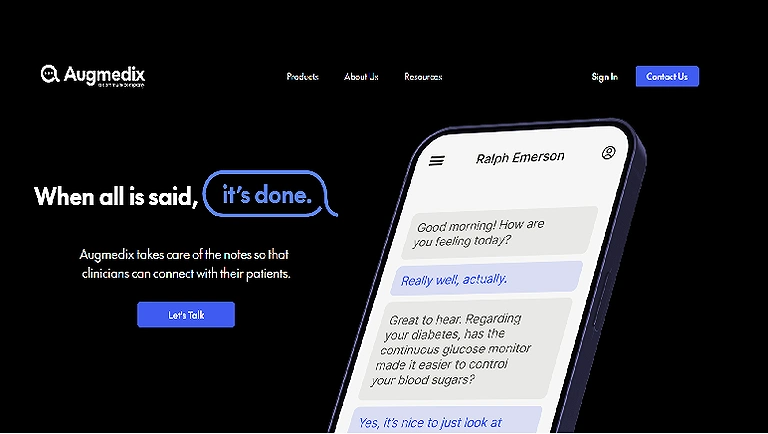
Augmedix Home page
10 Nabla
Nabla is an AI-powered clinical assistant designed to improve healthcare workflows through ambient AI, dictation, and real-time intelligence. It helps clinicians generate accurate documentation while enhancing coding quality and allowing more focus on patient care.
Key Features
- Ambient AI for real-time clinical note generation
- Voice dictation and transcription support
- Real-time clinical intelligence for documentation
- Improves coding accuracy and workflow efficiency
How to use Nabla?
- Sign up and connect Nabla with your healthcare system
- Enable ambient listening or dictation during consultations
- Let AI generate structured clinical notes automatically
- Review and finalize documentation in your EHR system
Pros
- Reduces manual clinical documentation effort
- Improves accuracy of medical notes and coding
- Enhances doctor-patient interaction quality
- Easy integration into clinical workflows
Cons
- Requires stable internet connection
- May need onboarding for optimal usage
- Premium features require paid subscription
- Accuracy depends on audio clarity and setup
Best Use Case
Ideal for clinicians and healthcare providers seeking real-time AI documentation, improved coding accuracy, and reduced administrative workload during patient visits.
Limitations
- Not fully effective without EHR integration
- Performance depends on environment and audio quality
- May require workflow adjustments in clinics
Pricing Plan
Free demo or trial access may be available, while full ambient AI and clinical documentation features require paid subscription based on usage.
Alternatives
DeepScribe, Augmedix
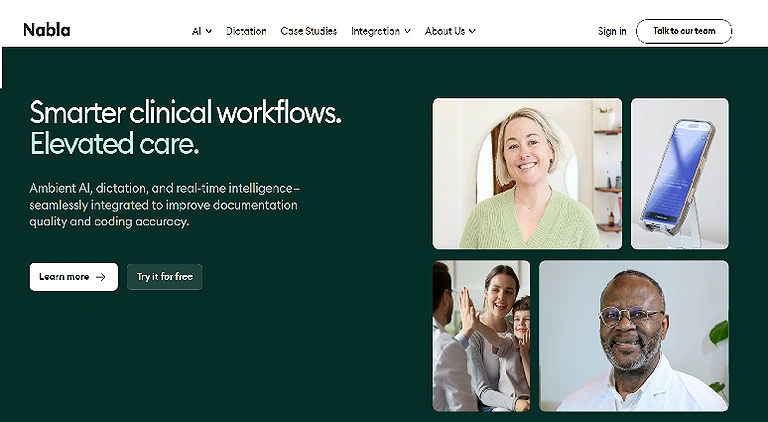
Nabla Official source image
FAQ
Are AI tools helpful in emergencies?
Yes, AI tools can quickly analyze patient data, flag urgent cases, and provide real-time guidance, helping doctors make faster decisions while improving outcomes in critical situations.
How do AI tools improve patient engagement?
By offering automated reminders, chat support, and easy access to health information, AI tools keep patients informed, connected, and more involved in their care.
Can AI-powered healthcare apps replace human doctors?
No, they cannot replace human doctors; they provide preliminary guidance and support for routine tasks, but direct physician oversight is essential for accurate diagnosis and treatment.
Are AI tools beneficial for both doctor and patient?
Absolutely, AI tools reduce administrative burden for doctors while giving patients quicker responses, better communication, and a more personalized care experience.
Why should small clinics invest in AI communication tools?
Small clinics can streamline workflows, reduce missed appointments, and enhance patient engagement without hiring extra staff, making operations more efficient and scalable.
Conclusion
In 2026, AI tools for patient engagement and management are transforming healthcare by improving communication, automating workflows, and reducing administrative burdens. Solutions like AI chatbots, symptom checkers, telehealth platforms, and AI scribe tools help providers deliver faster, more accurate care while keeping patients informed and engaged. This shift also includes specialized AI tools for psychology that assist in tracking patient moods and mental health patterns. By streamlining reminders, follow-ups, and documentation, these technologies improve compliance, reduce missed appointments, and allow healthcare professionals to focus more on patient care in an increasingly digital healthcare environment.